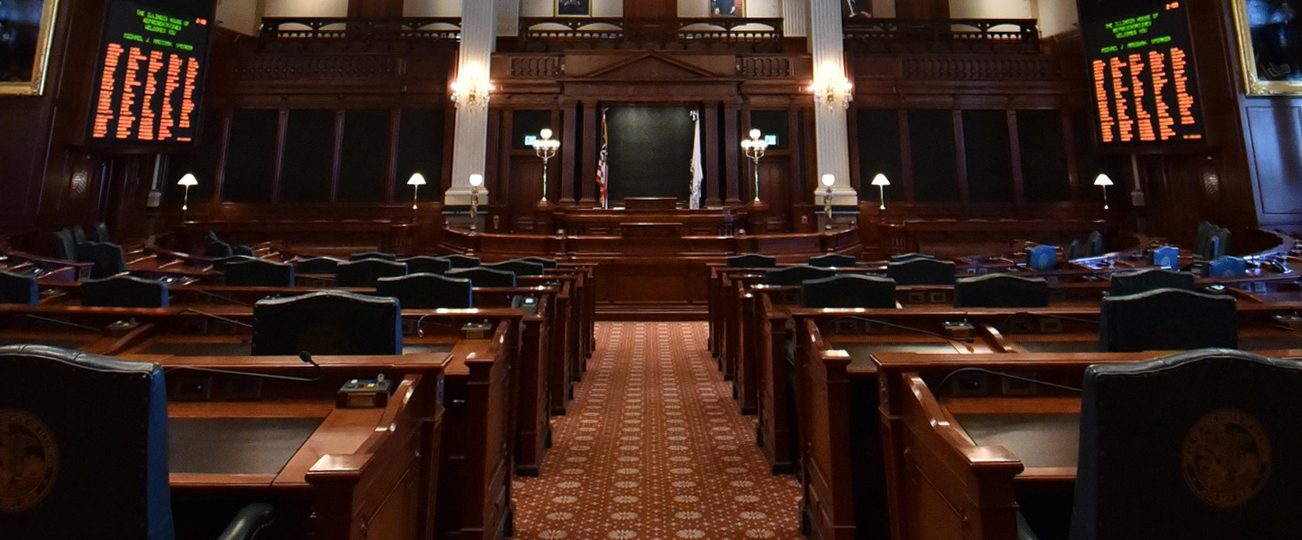
Illinois is known for many things, but one of the most haunting is our state’s reputation for corruption. With four of our last ten governors and our last Speaker of the Illinois House being convicted on criminal charges occurring while in office, our state serves as a cautionary tale for the rest of the United States.
Outside of Illinois’ political corruption, Illinois has a rich history that includes accounts from some of the most famous criminals. One of the most notorious was involving Al Capone, a mastermind and mobster in Chicago, known for running a highly successful criminal enterprise. During his reign, Al Capone allegedly used the Congress Hotel in Chicago, situated on the famous Michigan Avenue, as his criminal headquarters. The building has an iconic history, built in 1893, being classified as “new Chicago,” as it came after the horrific Chicago Fire of 1871. The famous hotel is known as the “Home of Presidents,” as it has served as lodging for several United States presidents, including Grover Cleveland, Theodore Roosevelt, William Taft, and Franklin D. Roosevelt.
Showing posts with label Illinois ghosts. Show all posts
“Ghosts of the Library,” presented by AT&T, is a high-tech immersive exhibition at the Abraham Lincoln Presidential Museum and Library in downtown Springfield. The purpose for this exhibition, which debuted in 2005 when the museum opened, was to explain to the audience what goes on in a presidential library.
In Ghosts of the Library, the public walks into a theater and is greeted by a live actor who shares information about strategically placed artifacts in the museum. As the actor continues to talk, ghostly holographic images appear out of smoke and help to explain and capture the audience’s attention. An example would be an actor reading the Gettysburg Address as an image of Abraham Lincoln appears and finishes the reading.
Subscribe to:
Posts
(
Atom
)


